Real Student Life No Filter Today
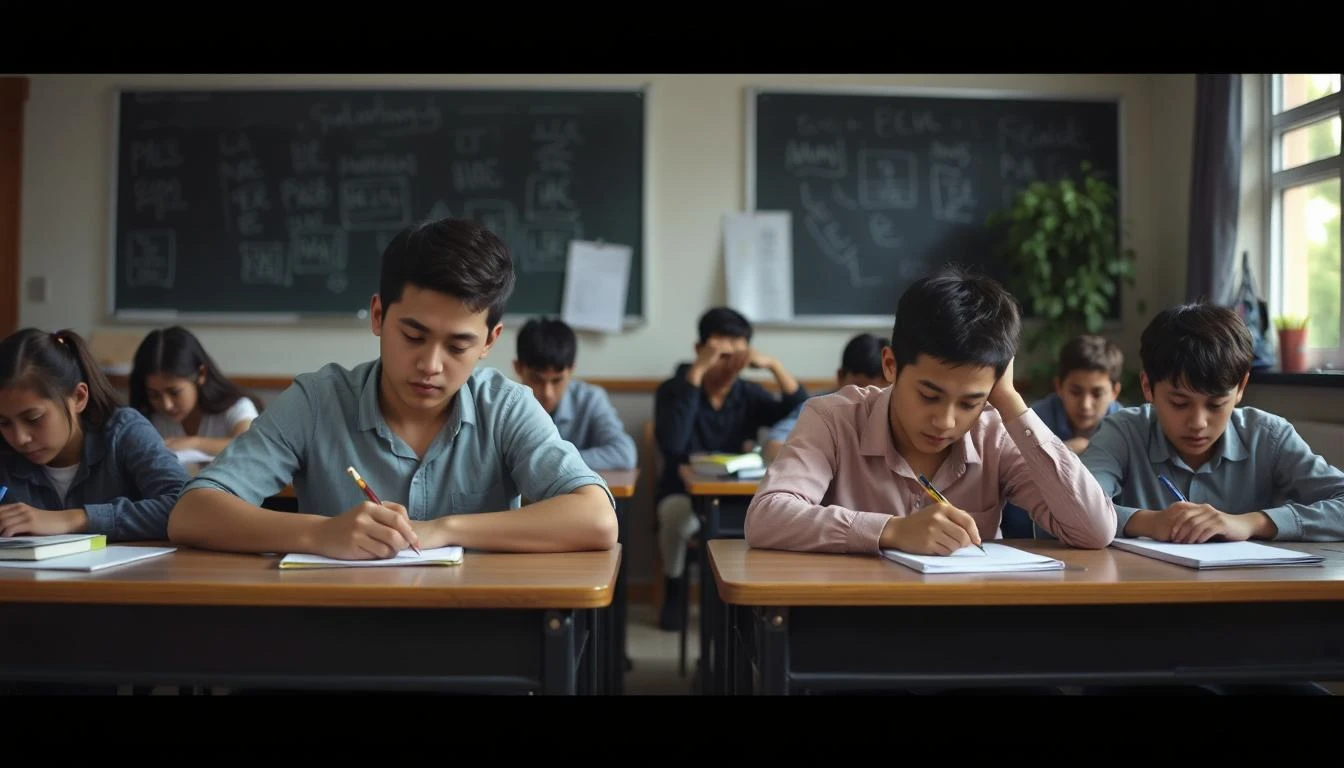
Real student life is rarely as polished as what you see online. It’s noisy, unpredictable, and honestly a bit chaotic in a very human way. Between deadlines, group projects, and personal pressure, students are constantly navigating a system that demands performance while expecting balance. If you’ve ever wondered what actually happens behind campus gates, it’s not just studying it’s survival, adaptation, and learning how to keep going even when things feel scattered.
The authentic student lifestyle is not a curated highlight reel but a continuous process of managing expectations, emotions, and academic demands all at once. It reflects how students today experience education in a digital-first world where comparison is constant and rest feels optional. This reality is closely tied to real college life experiences daily, where students are not only learning subjects but also learning how to function under pressure, distraction, and uncertainty in real time.
What Real Student Life Looks Like Today
Student life today is no longer defined by textbooks alone. It’s shaped by notifications, deadlines, mental load, and the pressure to always be on track. Before diving into routines and struggles, it’s important to understand that what looks simple from the outside is often layered with invisible effort and constant adjustment. Many educators emphasize this shift. As Dr. Melissa Grant, an education psychologist, states, “Modern students are not lacking ability, they are navigating an overload of simultaneous expectations that older systems were never designed to handle.”
This perspective helps frame how the authentic student lifestyle has evolved beyond traditional academic boundaries. The real college life experiences daily often involve balancing academic tasks with emotional fatigue, social expectations, and digital distractions that never truly switch off. Students are not just attending classes, they are constantly switching roles between learner, friend, planner, and sometimes even caretaker of their own mental well-being.
Daily routines beyond social media highlights
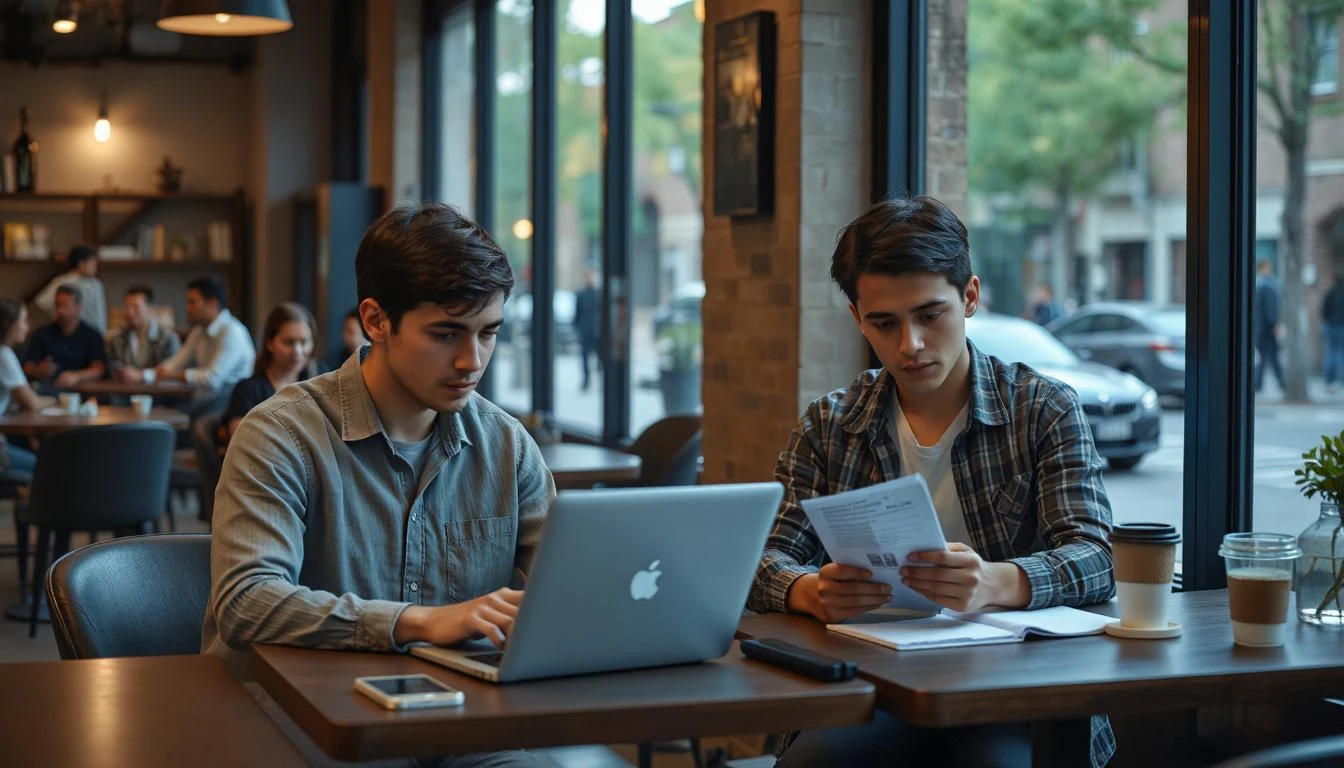
Most daily routines are far from aesthetic. Waking up late, rushing to class, skipping meals, and studying in fragmented bursts are more common than perfect schedules. These patterns reflect how student daily study habits modern education actually function in reality rather than in curated online versions.
Balancing study social life and mental health
Students often attempt to juggle study-life balance strategies for college students, but the balance is rarely stable. Social time gets squeezed, study time expands unpredictably, and mental health often becomes something addressed only when it starts to break down.
Common struggles students rarely share
Behind the scenes, students deal with silent pressure like comparison, fear of failure, and emotional exhaustion. These hidden student stress challenges in university life rarely get discussed openly, yet they shape daily decision-making far more than grades do.
The Pressure Behind Academic Expectations
Academic pressure today extends beyond exams. It touches identity, self-worth, and future uncertainty. Before exploring specific struggles, it’s important to recognize that expectations come from multiple directions at once family, society, and internal ambition. Another perspective comes from Professor Daniel Lee, who notes, “Education systems often reward output over understanding, which unintentionally teaches students to prioritize performance instead of learning.” This reflects how the authentic student lifestyle is influenced by structural academic pressure. The real college life experiences daily include navigating assignments that feel endless while trying to maintain personal stability. Students are constantly negotiating between what is required and what is realistically sustainable.
Grades vs real learning experience
There is often a gap between scoring well and actually understanding material. This disconnect highlights modern education system learning gaps, where performance metrics don’t always reflect actual comprehension.
Dealing with burnout and procrastination
Burnout is not always dramatic. Sometimes it looks like avoidance, delay, or mental fatigue disguised as procrastination. These student burnout recovery patterns are becoming increasingly common in fast-paced academic environments.
Managing expectations from family and peers
Expectations can feel heavier than coursework itself. Students often carry unspoken pressure to succeed not just for themselves, but for those around them, which shapes emotional resilience and decision-making.
How Students Actually Spend Their Time
Time in student life rarely follows a perfect schedule. It is fragmented, reactive, and heavily influenced by external triggers like notifications, deadlines, and mood shifts. Understanding this helps explain why productivity often feels inconsistent. The authentic student lifestyle includes both focused academic effort and long periods of distraction that are not always intentional. It is a rhythm, not a straight line.
Productivity vs distraction habits
Students often oscillate between deep focus and digital distraction. These student productivity behavior patterns in digital age show how attention is constantly divided across multiple platforms and responsibilities.
Role of digital tools in daily life
From note-taking apps to social media platforms, digital tools shape how students learn and communicate. These tools are essential, yet they also contribute to fragmented attention and multitasking habits.
Finding time for self growth
Self-growth rarely comes with scheduled time blocks. Instead, it appears in small moments reading between classes, reflecting during breaks, or learning skills outside academic requirements. These moments slowly build personal direction.
Start Living Your Real Student Life With Purpose Today
Student life becomes clearer when expectations are adjusted to reality instead of idealized standards. The authentic student lifestyle is not about perfection but about awareness understanding your limits while still moving forward in a sustainable way. As you reflect on your own journey, it becomes easier to see that real college life experiences daily are not failures or delays, but part of a larger learning process that includes adaptation, resilience, and gradual growth. You don’t need to match someone else’s pace. You only need to understand your own rhythm and work with it instead of against it.