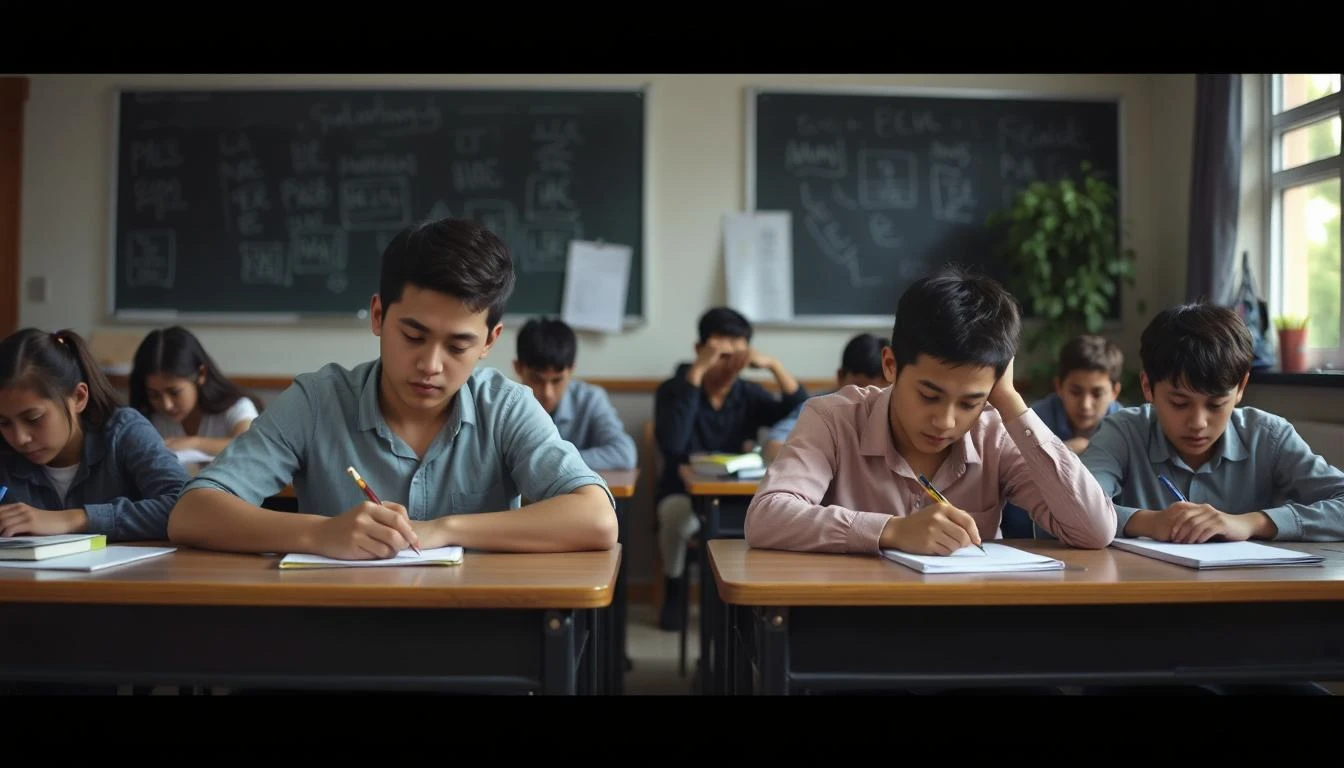
Build Career Skills Before You Graduate

Most students walk into graduation thinking the real world will somehow “figure them out” later. Reality usually disagrees, loudly. The modern job market is less of a waiting room and more of a fast-moving filter that quietly sorts people based on adaptability, communication, and how quickly they can actually do things instead of just talking about them.
This is where career skills development starts becoming less of an academic buzzword and more like a survival tool. When people search for career skills development, what they’re really asking is simple, how do I stop feeling underprepared the moment I step into a real job environment where no one is handing out step-by-step instructions anymore.
Why Career Skills Matter Before Graduation
The transition from classroom to workplace is not as smooth as brochures make it look. It’s more like jumping from shallow water into currents that don’t slow down for anyone. The interesting part is, employers aren’t secretly asking for perfection. They’re looking for readiness, awareness, and the ability to adapt when things stop going according to plan. That shift is exactly why preparation matters earlier than most students expect. What separates candidates today isn’t just degrees, but how they handle uncertainty, collaboration, and real pressure. That’s where understanding workplace expectations becomes a silent advantage. The job market doesn’t reward potential alone anymore, it rewards proof of application.
Difference between academic knowledge and real skills
Academic learning builds structure, but real-world work demands flexibility. Knowing theories is useful, but applying them in unpredictable situations is what actually gets noticed. In real workplaces, no one hands you a multiple-choice test. Instead, you deal with shifting deadlines, unclear instructions, and decisions that don’t have one correct answer. That gap between theory and execution is where many graduates feel stuck.
What employers actually look for
Employers are becoming less impressed by perfect grades and more interested in how someone communicates under pressure or solves problems without constant supervision. Harvard Business School professor Linda Hill once noted, “Leadership today is less about control and more about creating conditions for collective problem-solving.” That idea extends beyond leadership roles, it applies to almost every modern job. Another perspective from organizational researcher Peter Cappelli highlights, “The biggest challenge isn’t hiring talent, it’s finding people who are ready to contribute immediately.” That expectation is quietly shaping recruitment everywhere.
Common skill gaps among graduates
Many graduates still struggle with basic workplace communication, confidence in meetings, or structuring ideas clearly. These aren’t intelligence issues they’re exposure issues. Most of these gaps come from systems that focus heavily on exams rather than practical career skills development, leaving students academically strong but operationally untested.
Essential Skills You Should Start Building Now
If you look closely at successful professionals, their advantage rarely comes from one big skill. It comes from a combination of smaller, consistent abilities that stack over time. Understanding career skills development early helps you build that stack before pressure becomes overwhelming. It’s less about rushing and more about building consistency in how you think and act. There’s also a growing demand for job ready skills for students who can transition smoothly into work environments without needing months of adjustment.
Communication and teamwork skills
Communication is no longer just speaking clearly. It’s about translating ideas so others actually understand and act on them. In team settings, this becomes even more important because misunderstandings can slow entire projects. Teamwork today also happens digitally. Messaging tools, remote collaboration, and shared platforms require clarity in writing just as much as in speech.
Problem solving and critical thinking
Workplaces love people who don’t panic when instructions are unclear. Instead, they look for individuals who can break problems down logically and propose realistic solutions. Critical thinking also means questioning assumptions instead of accepting everything at face value. That mindset is often what separates average contributors from reliable ones.
Digital and technical skills
Digital literacy is no longer optional. From spreadsheets to collaboration tools, almost every role requires some level of technical comfort. Whether it’s data handling, basic automation tools, or presentation software, these skills form the backbone of modern productivity.
Practical Ways To Develop Career Skills
Building skills doesn’t require dramatic life changes. It requires repetition, exposure, and willingness to be slightly uncomfortable while learning. Real growth happens when theory meets application, even in small doses.
Online courses and certifications
Online platforms provide structured learning paths that help you build targeted abilities. Whether it’s communication, coding, or digital marketing, certifications can strengthen credibility. A well-known career strategist, Richard Bolles, once said, “Skills are not inherited, they are built through intentional practice and repetition.” That idea is exactly what online learning enables today.
Freelance and side projects
Freelancing introduces real-world pressure, deadlines, expectations, and feedback that is often brutally honest. But that’s exactly what makes it valuable. Even small projects help you understand client communication, responsibility, and time management. Over time, these experiences become proof of capability.
Learning from real world experiences
Internships, volunteering, and school organizations are underrated training grounds. They teach negotiation, leadership, and problem handling in ways classrooms rarely do. Each experience becomes a small simulation of real work environments, shaping confidence through repetition rather than theory.
Take Action Now And Build Your Career Skills Early
Waiting until graduation to think about readiness is like trying to train for a marathon the night before the race. It doesn’t work like that. Every small action you take now learning a tool, joining a project, improving communication adds up silently. Over time, it creates a version of you that doesn’t panic when real opportunities arrive. The idea of career skills development isn’t about pressure. It’s about preparation that quietly builds confidence before the world asks for it. The earlier you start, the less you rely on luck later.